Accepted Species
First published in: J. Proc. Roy. Soc. New S. Wales 17: 122. (1884). [BHL]
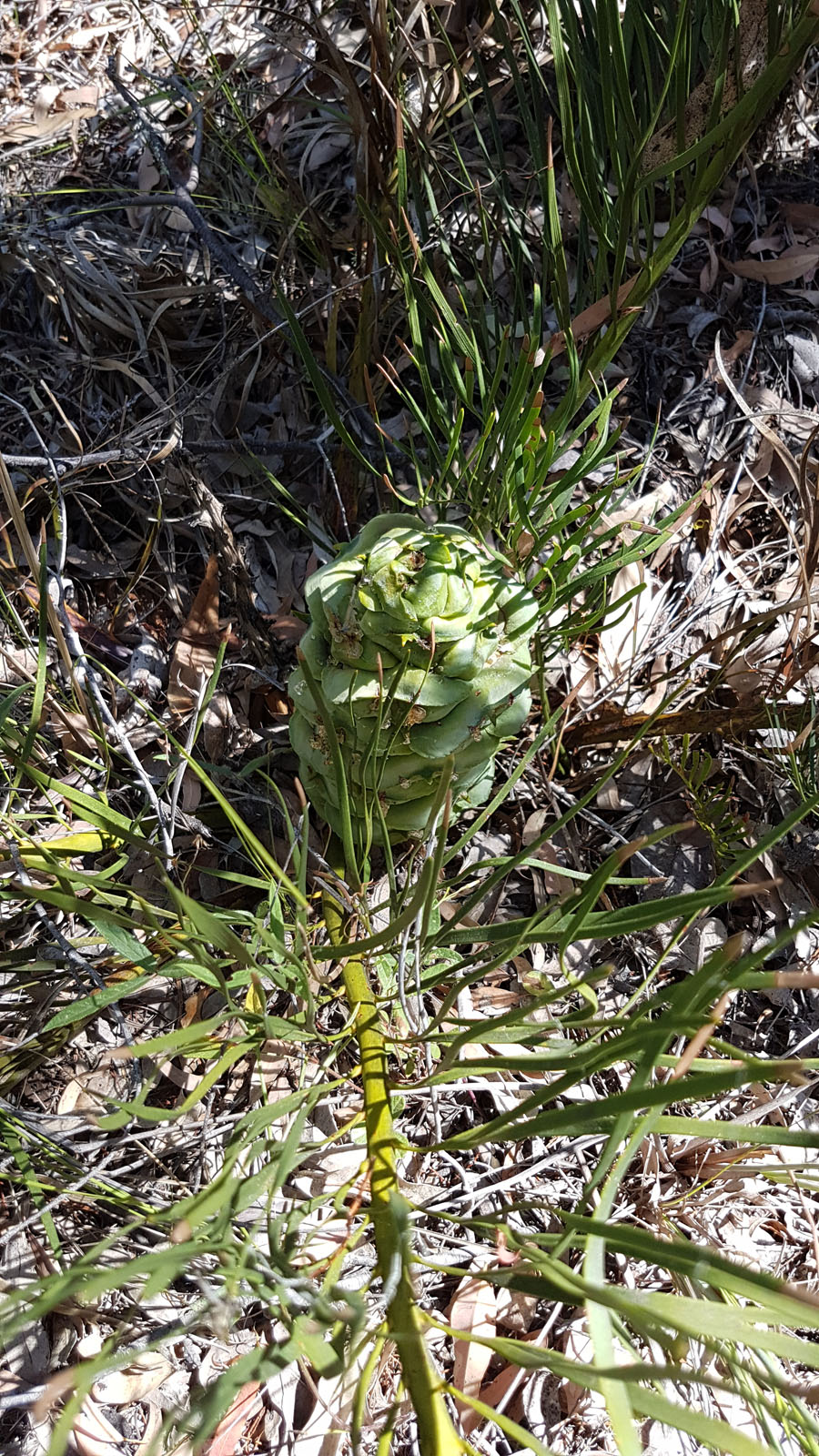
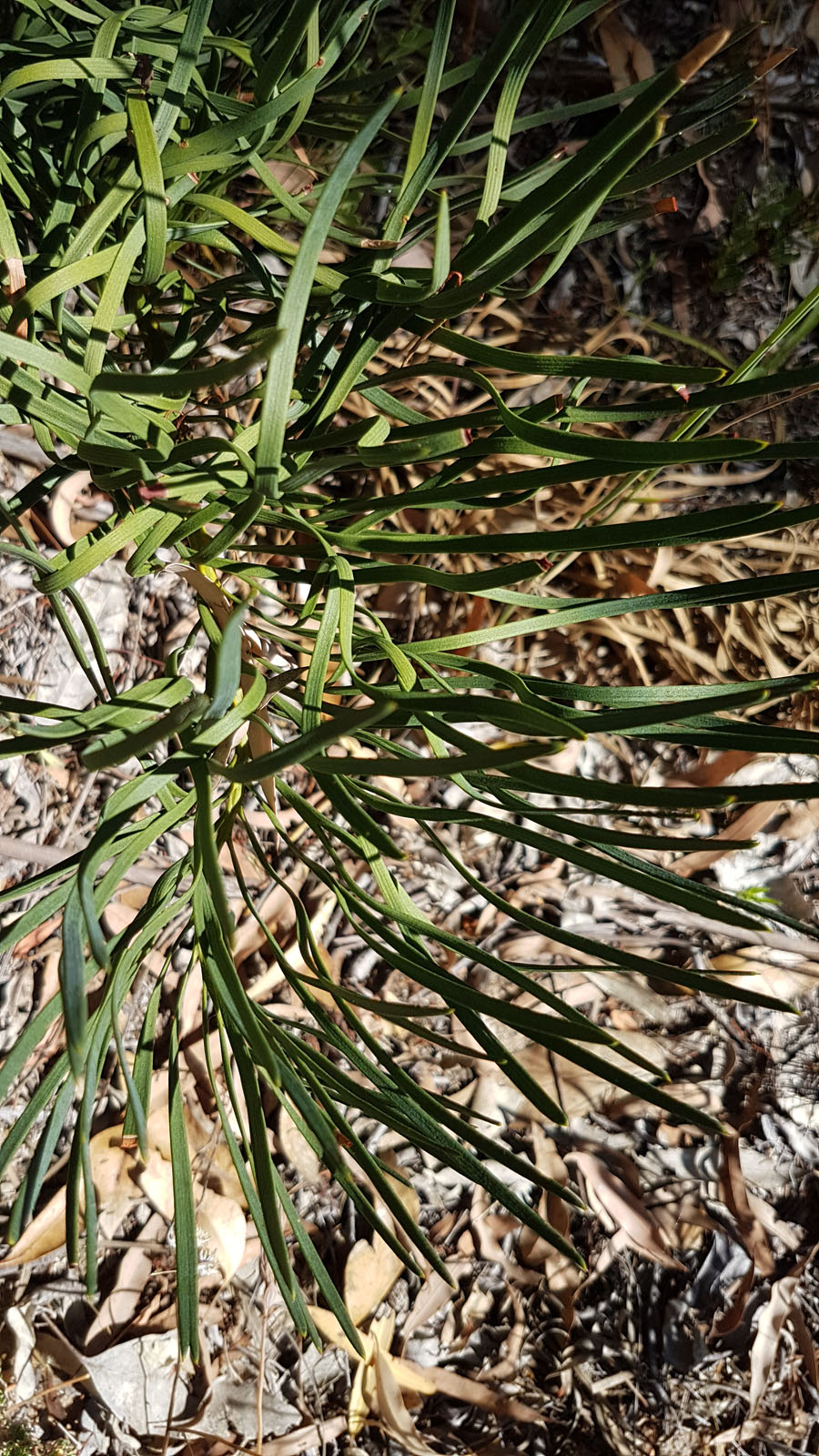
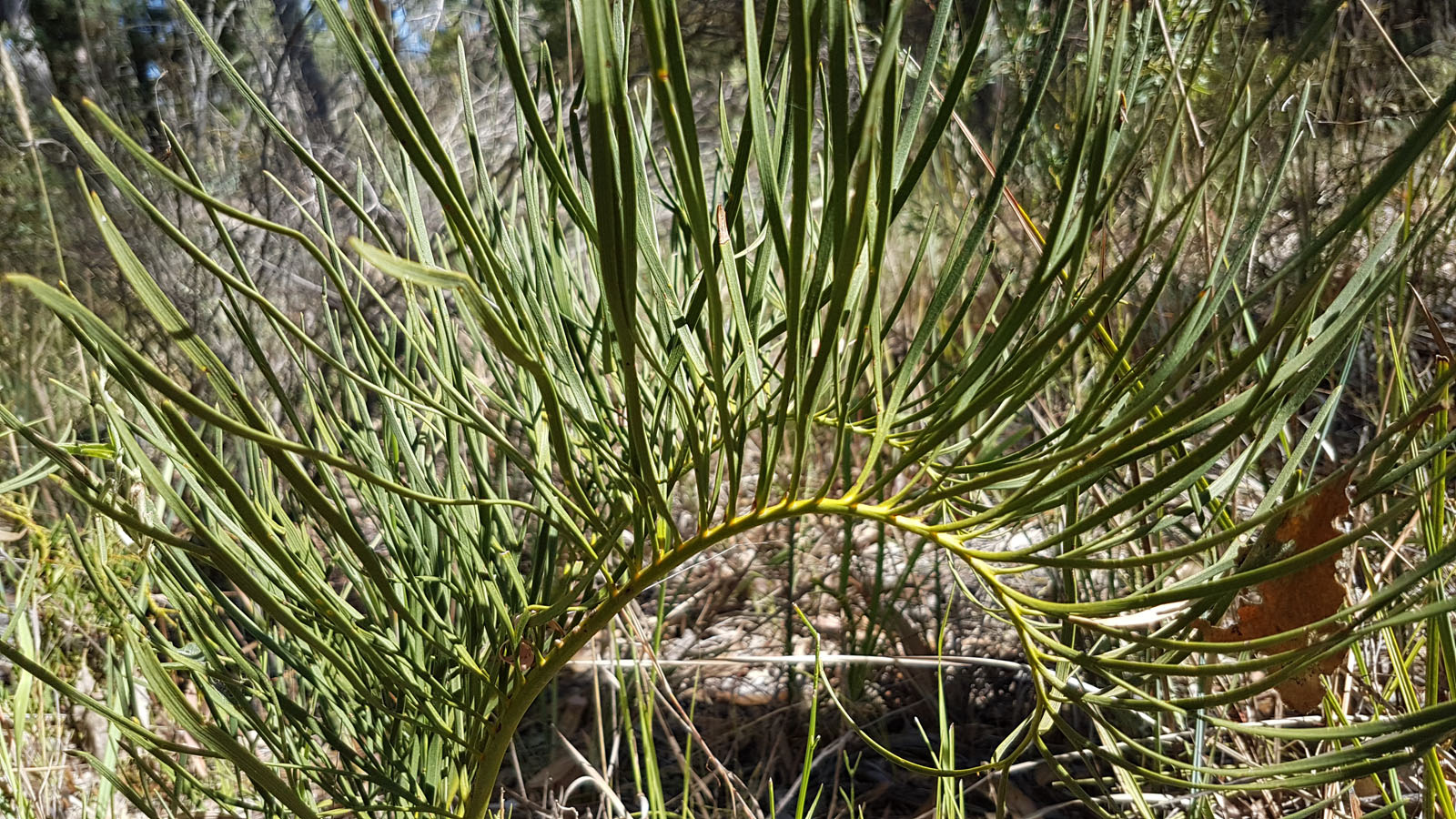
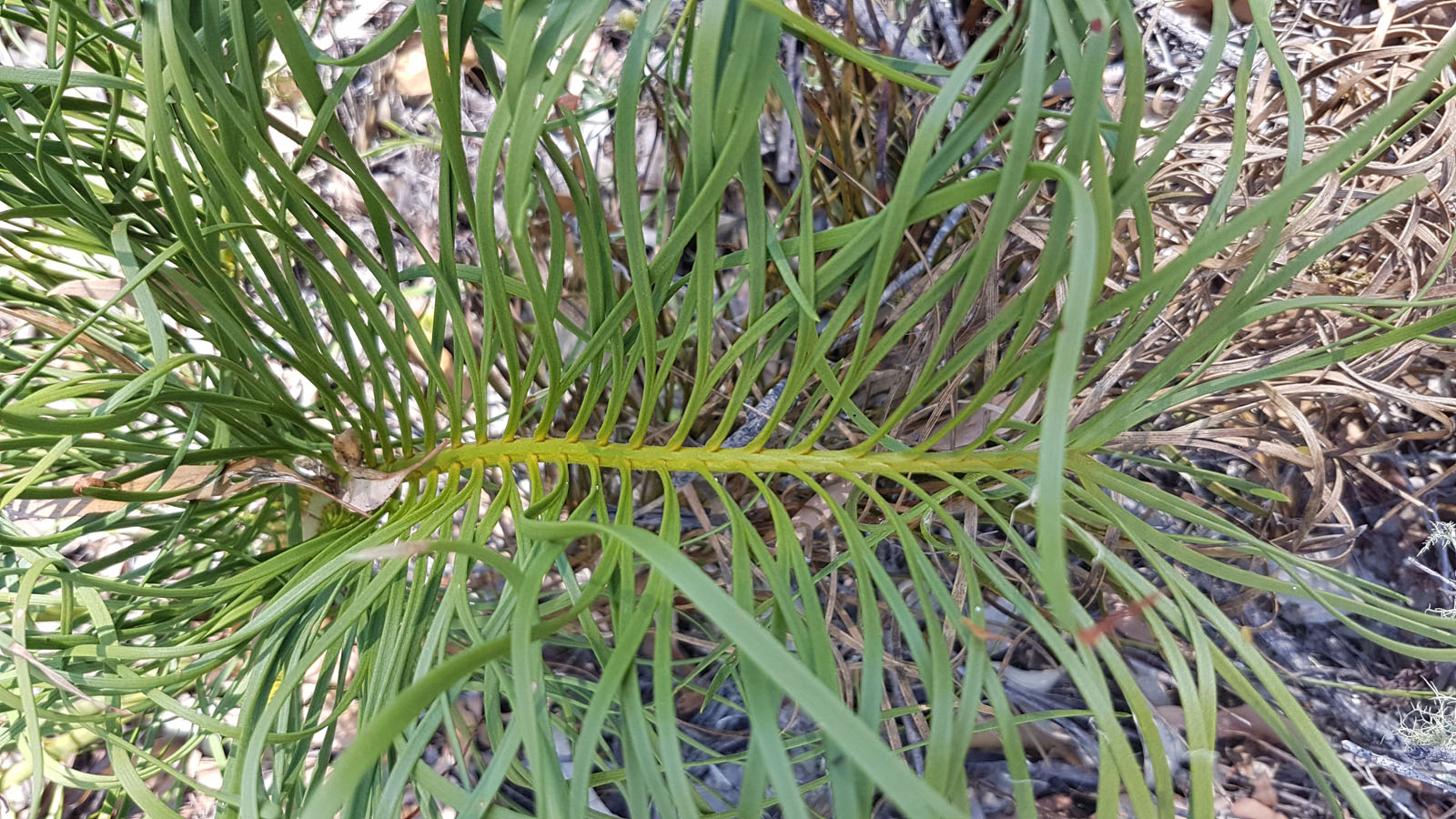
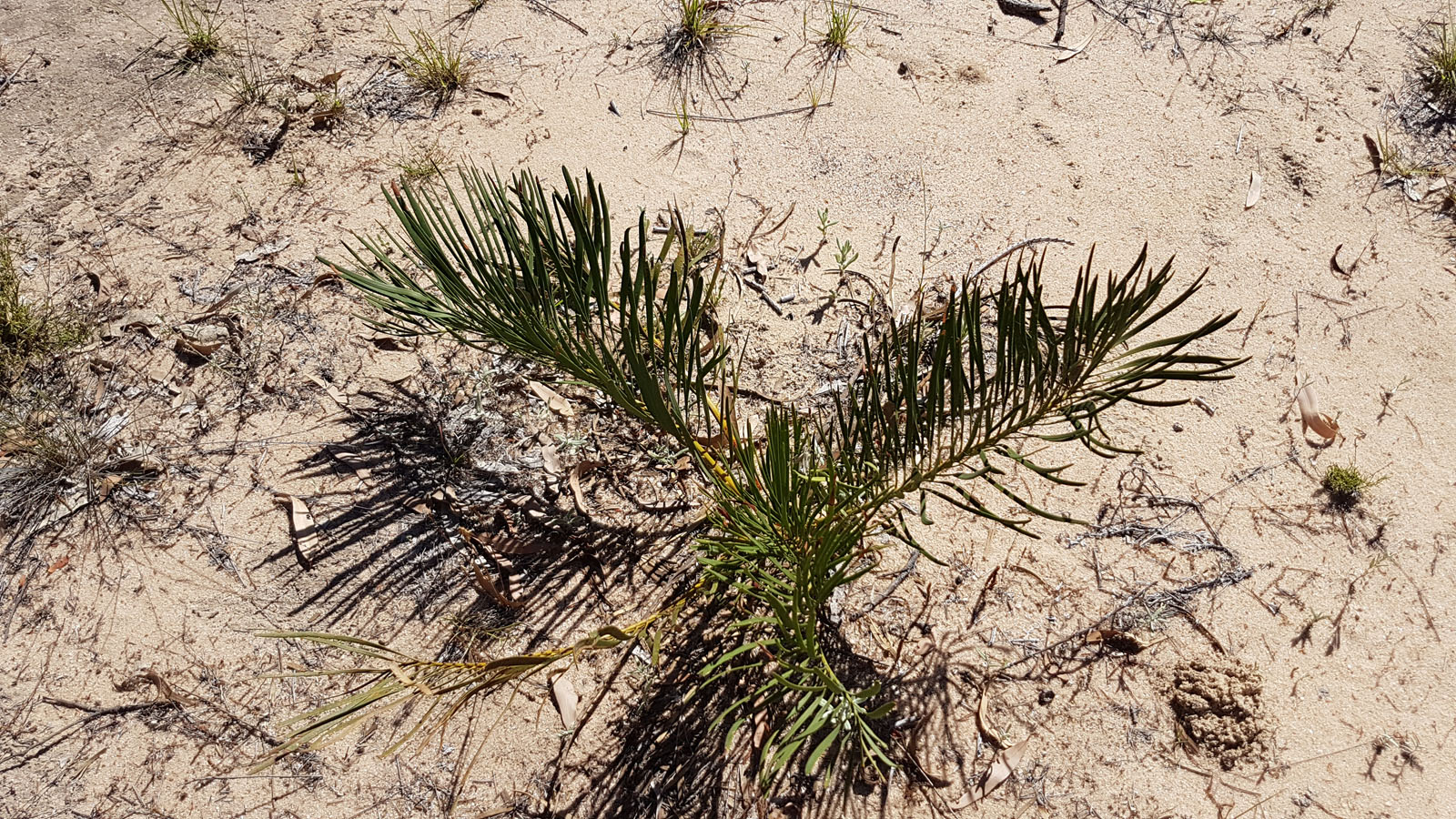
Etymology: From the Greek hetero- (‘different’) and -merus (‘part’ or ‘member’), referring to the sometimes divided and variously forked leaflets. [source]
- Collector:
- collector unknown s.n. NSW 40720
- Locality:
- Australia, New South Wales, Warrumbungle Ranges
- Date:
- Date unknown, ca. 1845
- Type location(s):
- LT:NSW
- Type notes:
- Lectotype designated by L.A.S. Johnson, Proc. Linn. Soc. New South Wales 84: 105 (1959).
Distribution: Australia (New South Wales)
Nomenclatural Synonyms:
-
≡
Macrozamia heteromera
f. heteromera
,
Pflanzenr. (Engler) IV.1(Heft 99): 96.
(1932).
Location Privacy Notice: This map is provided to show a rough estimate of the distribution of this species based on georeferenced localities on the WLoC database. The points may not be comprehensive of the species distribution and may contain errors. To protect the precise locations of populations of this highly threatened plant group, coordinates displayed on this map have been denatured to 0.1 degree precision (approximately 11 km accuracy). Map zoom levels are also limited for conservation purposes.
Australia (New South Wales)
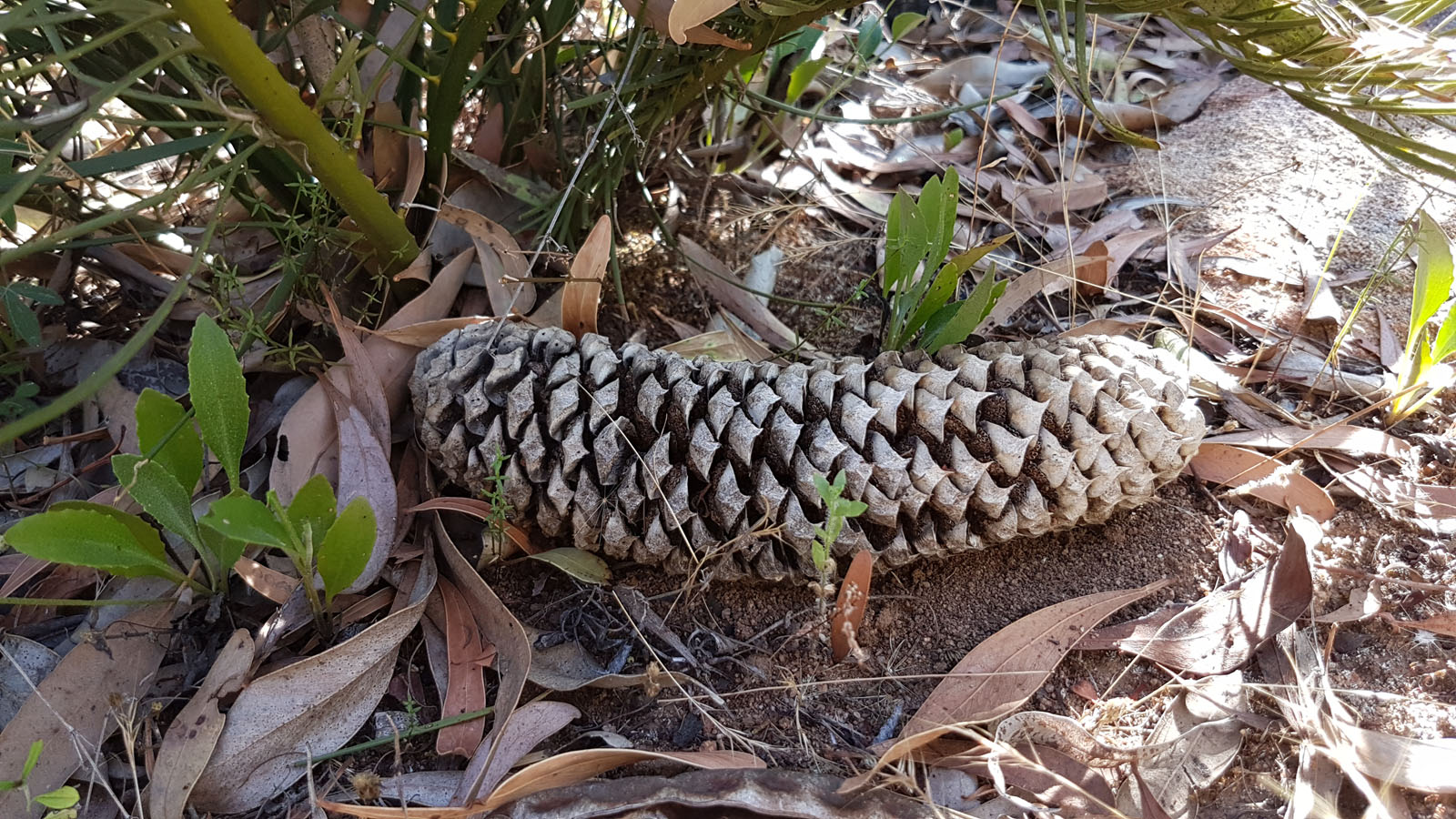
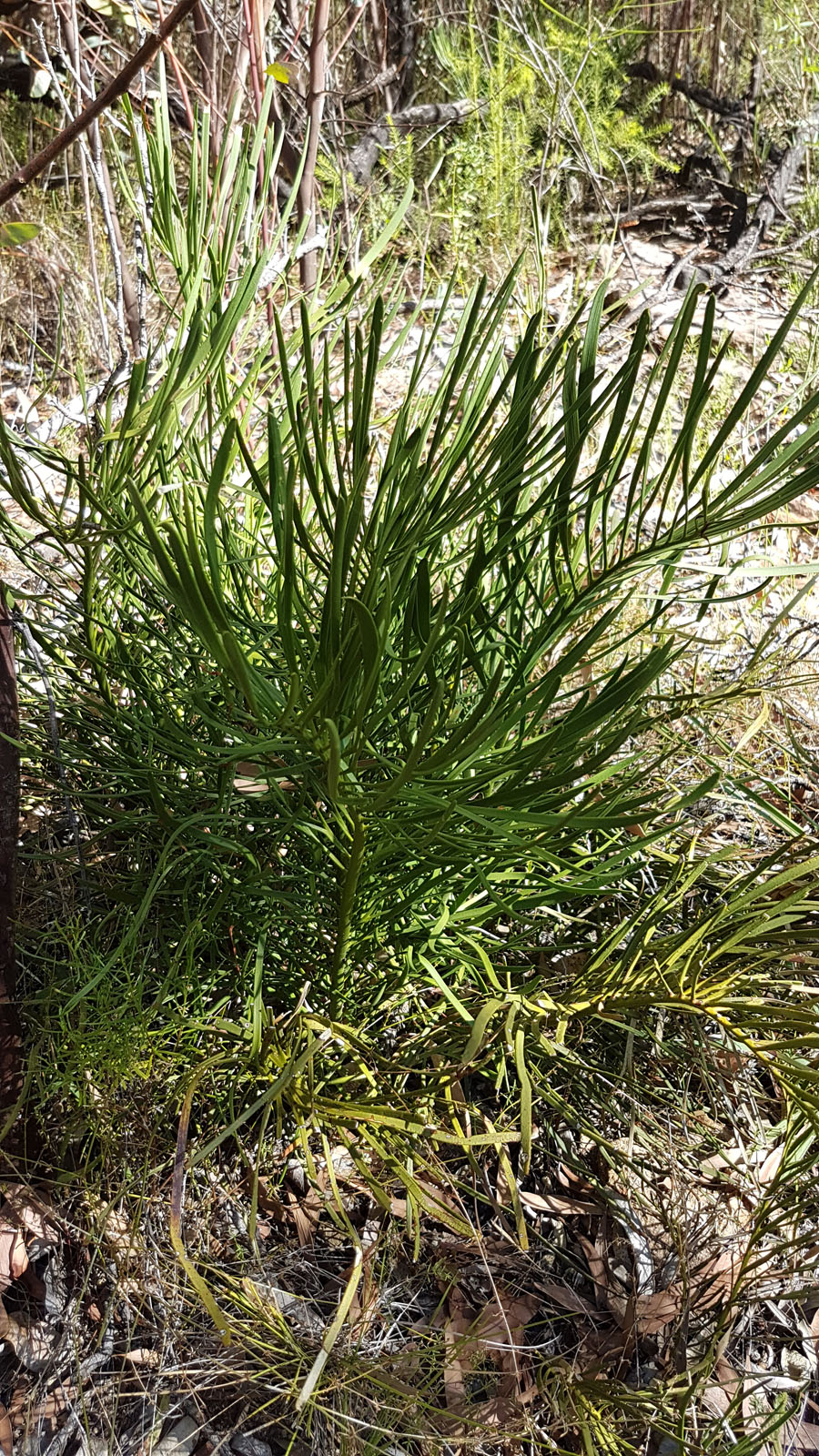
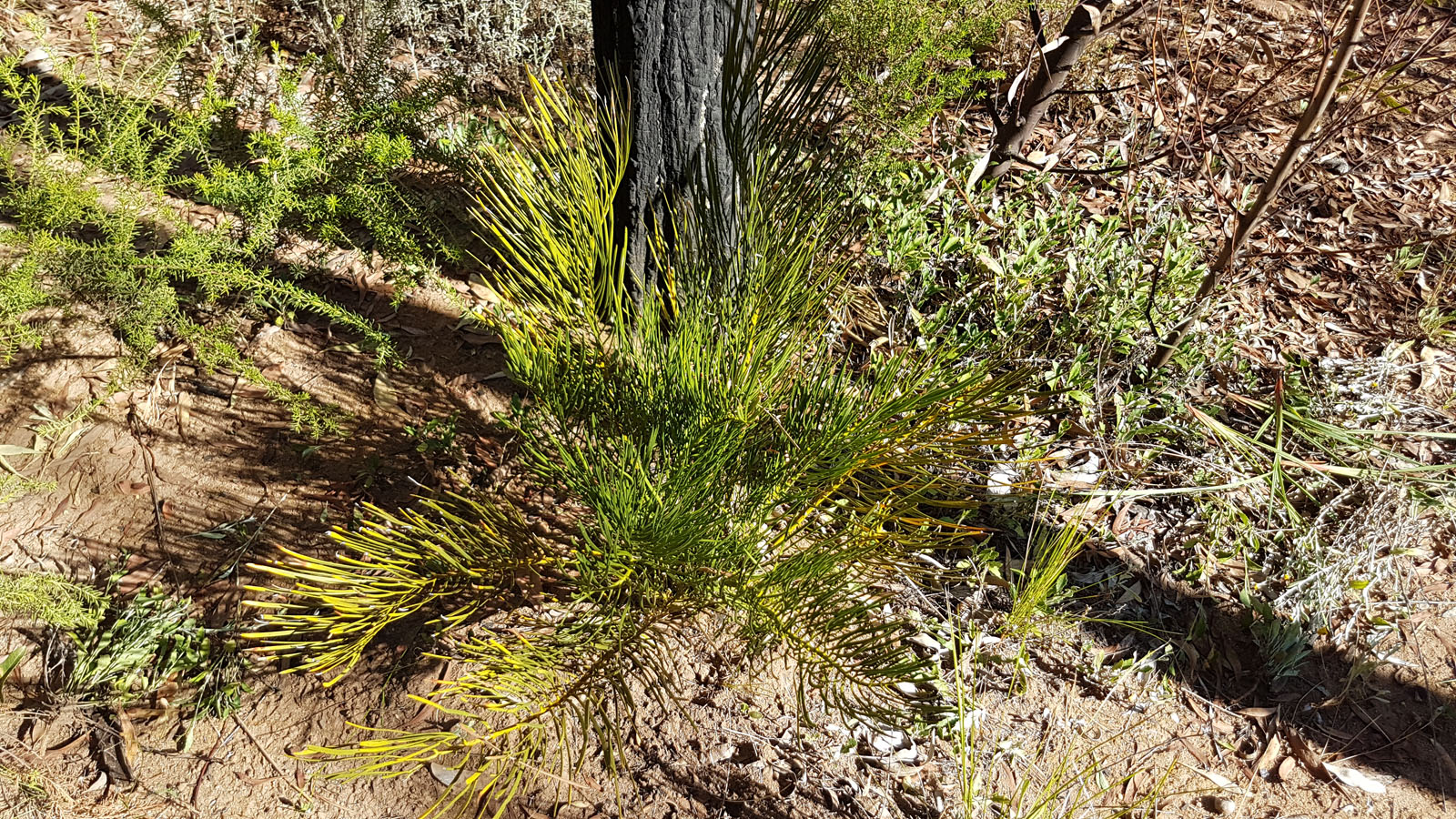
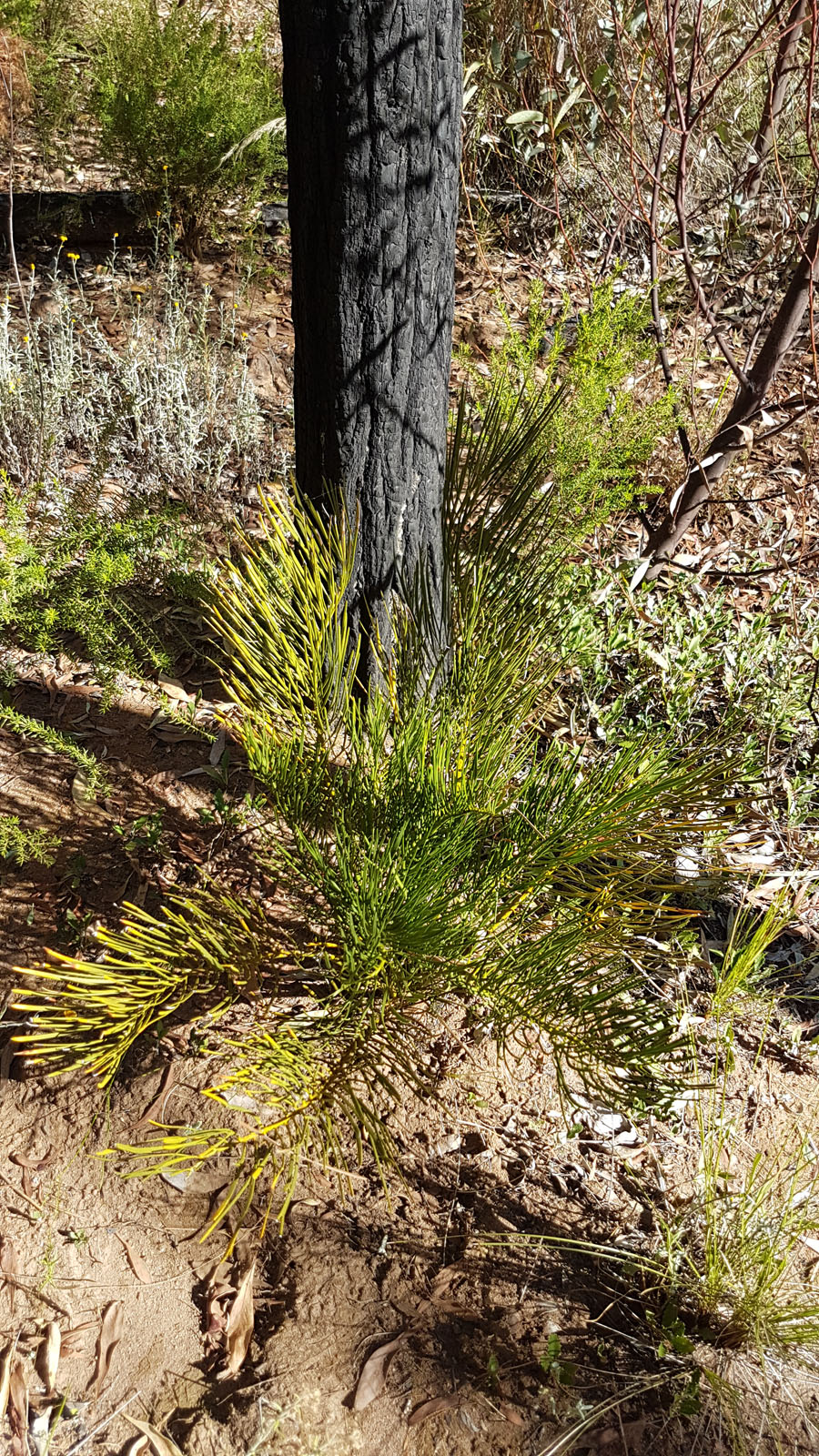
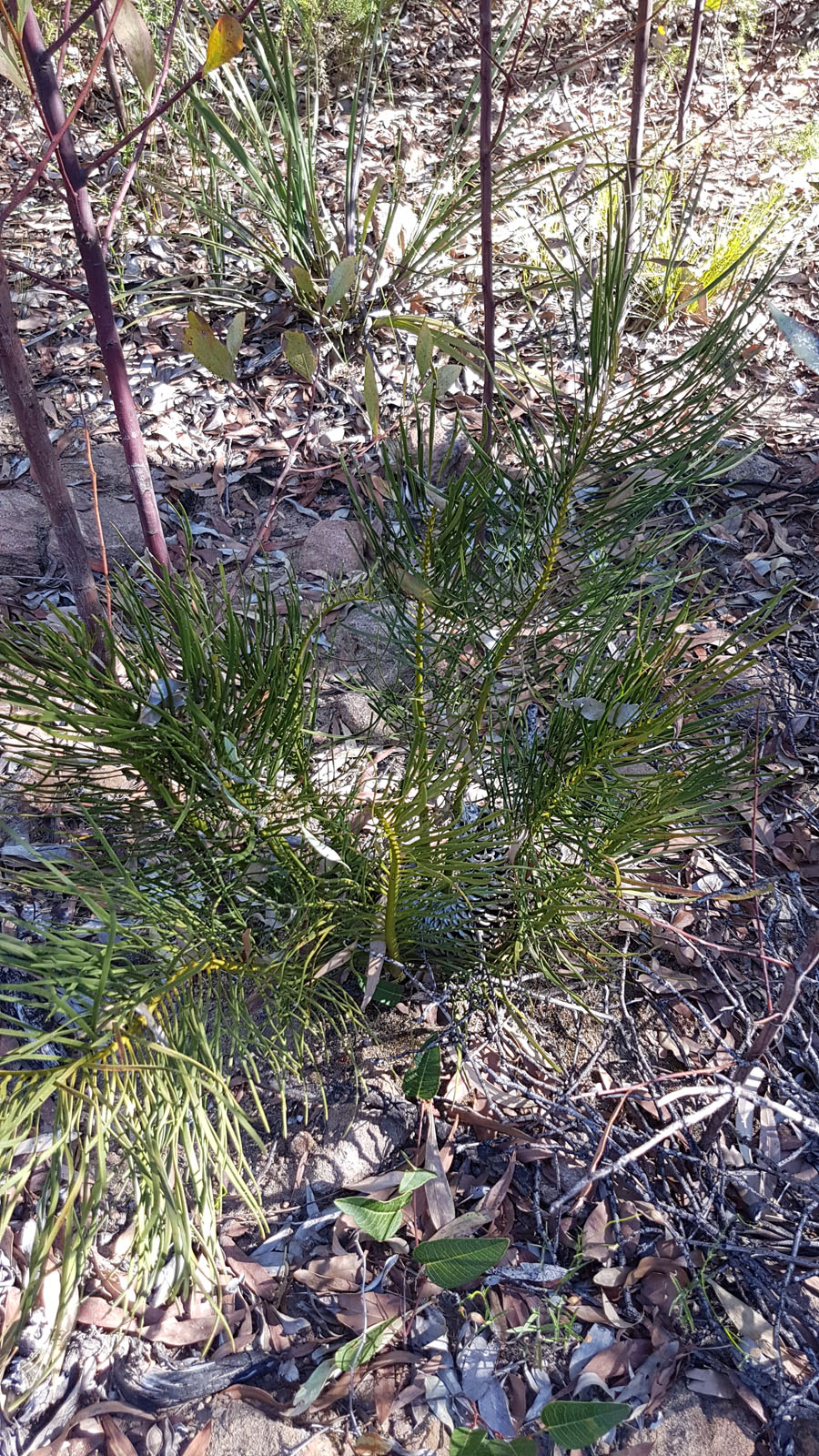
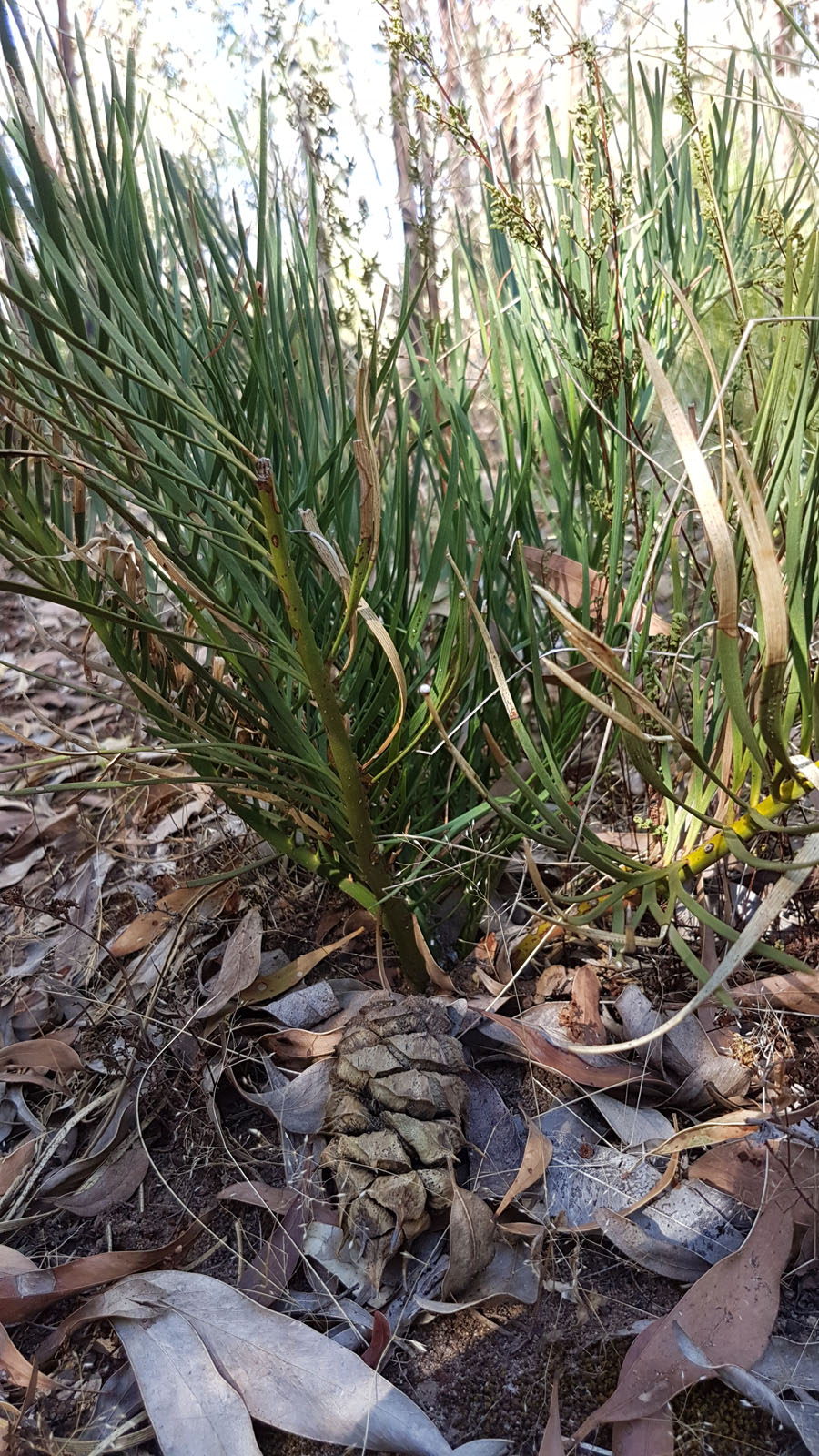
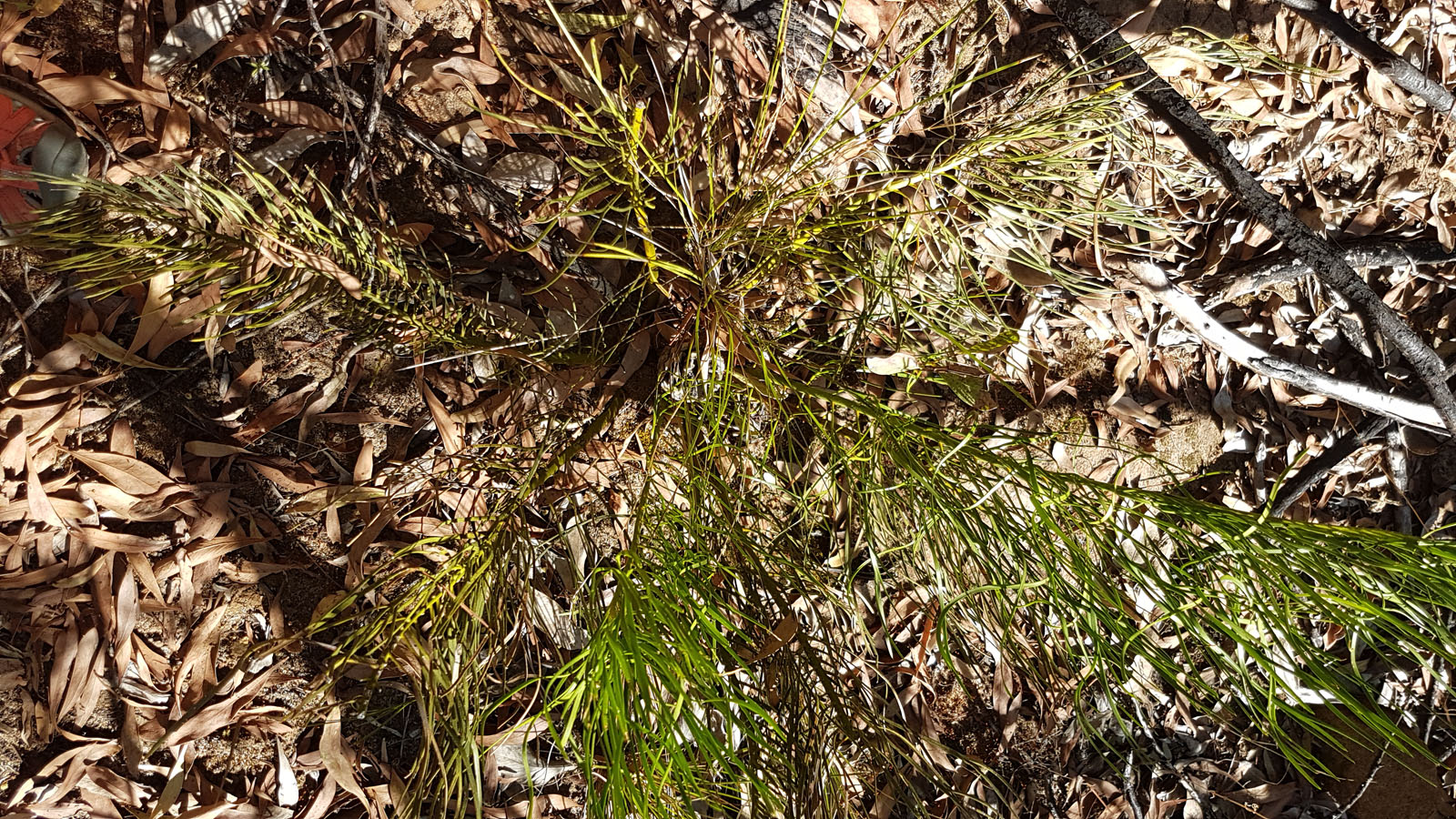
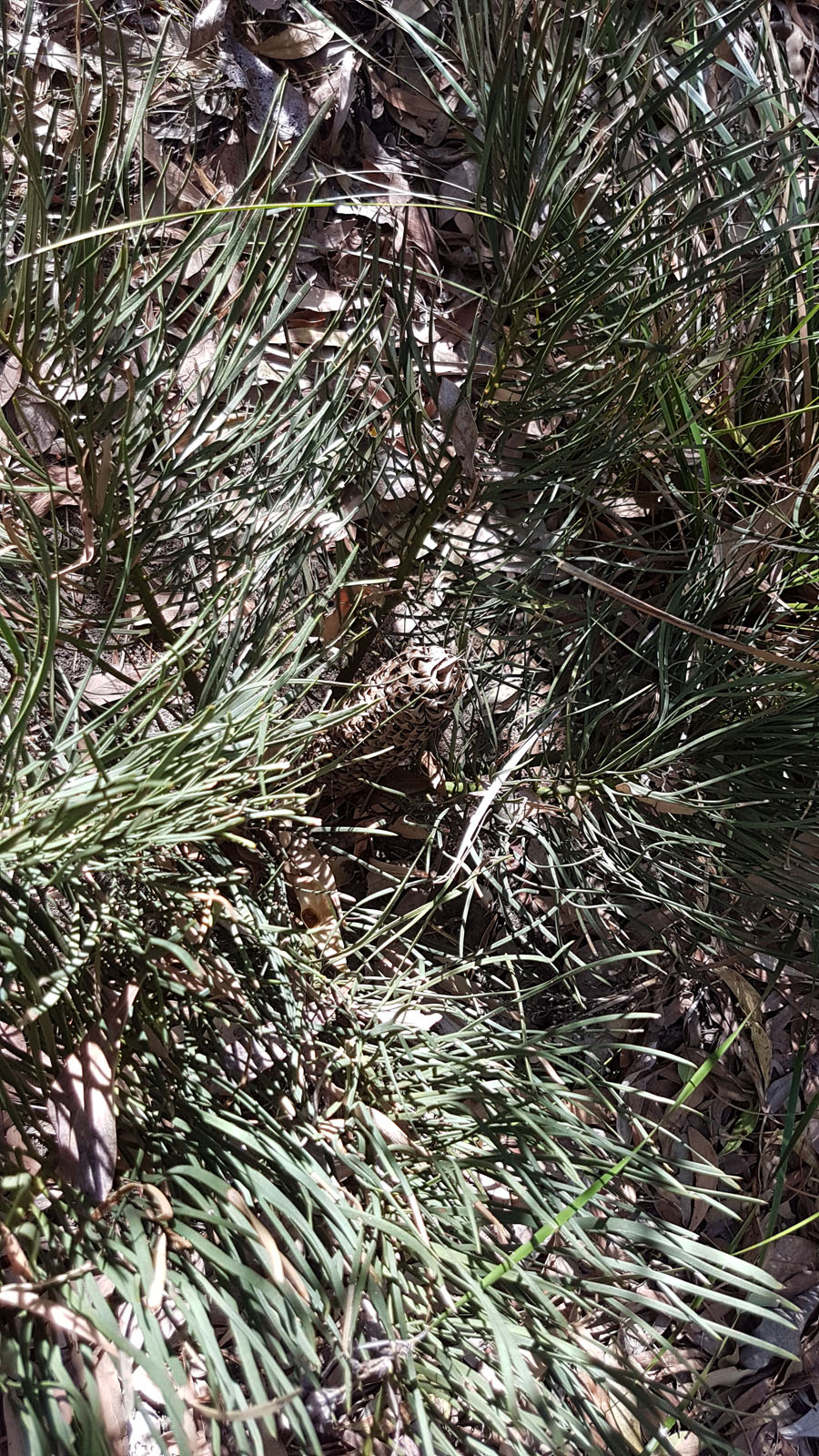
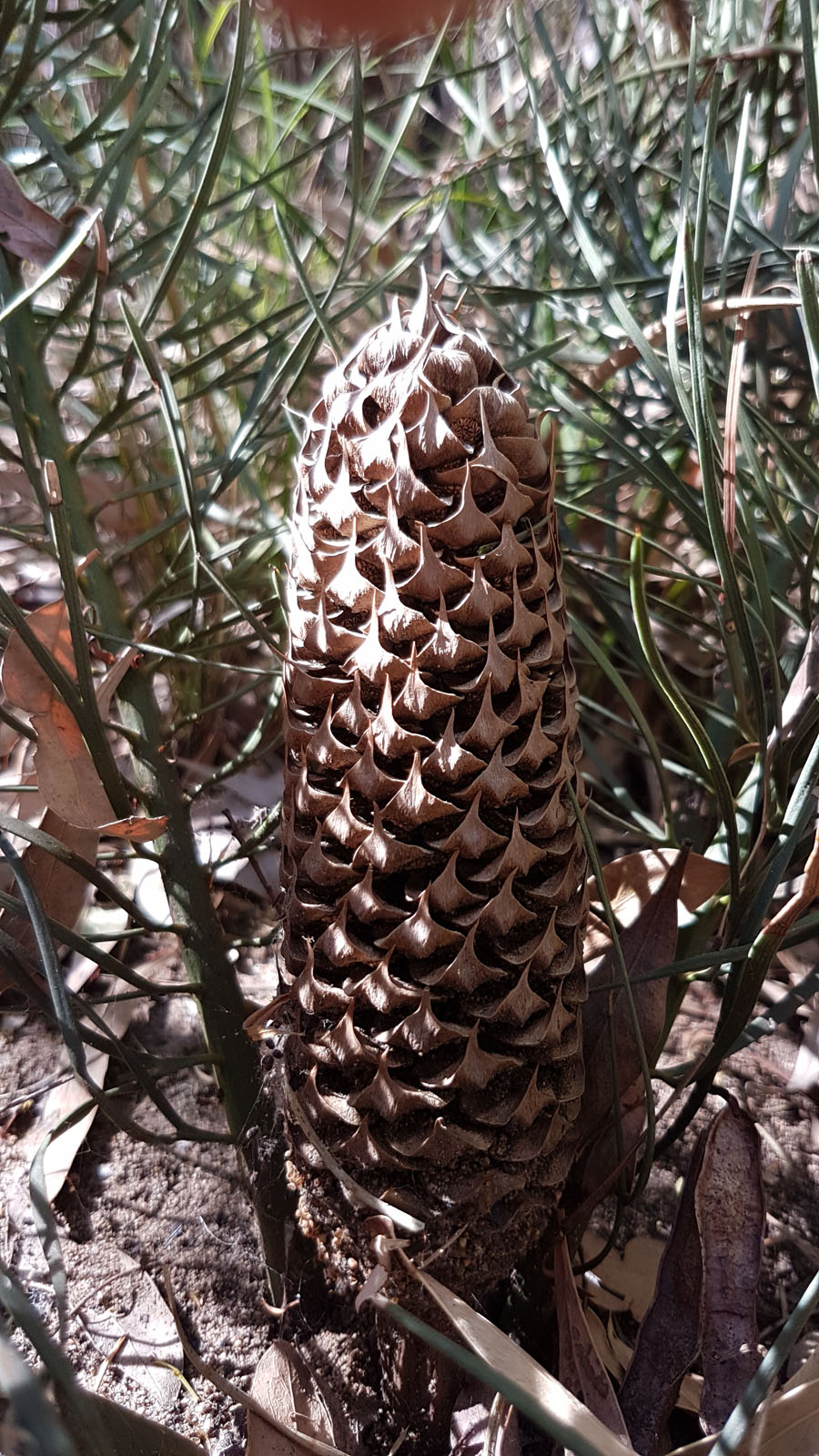
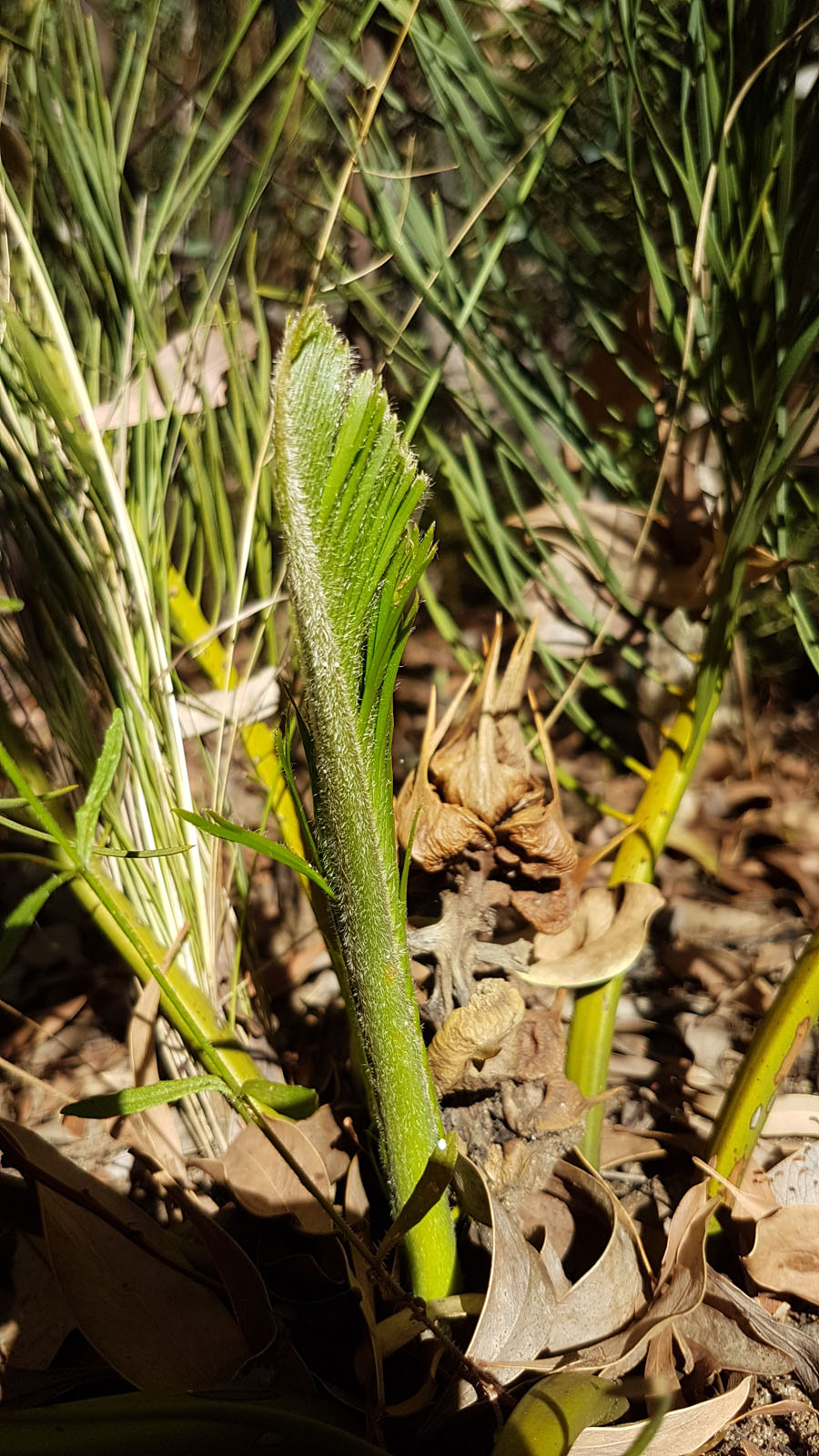
Australia (New South Wales)
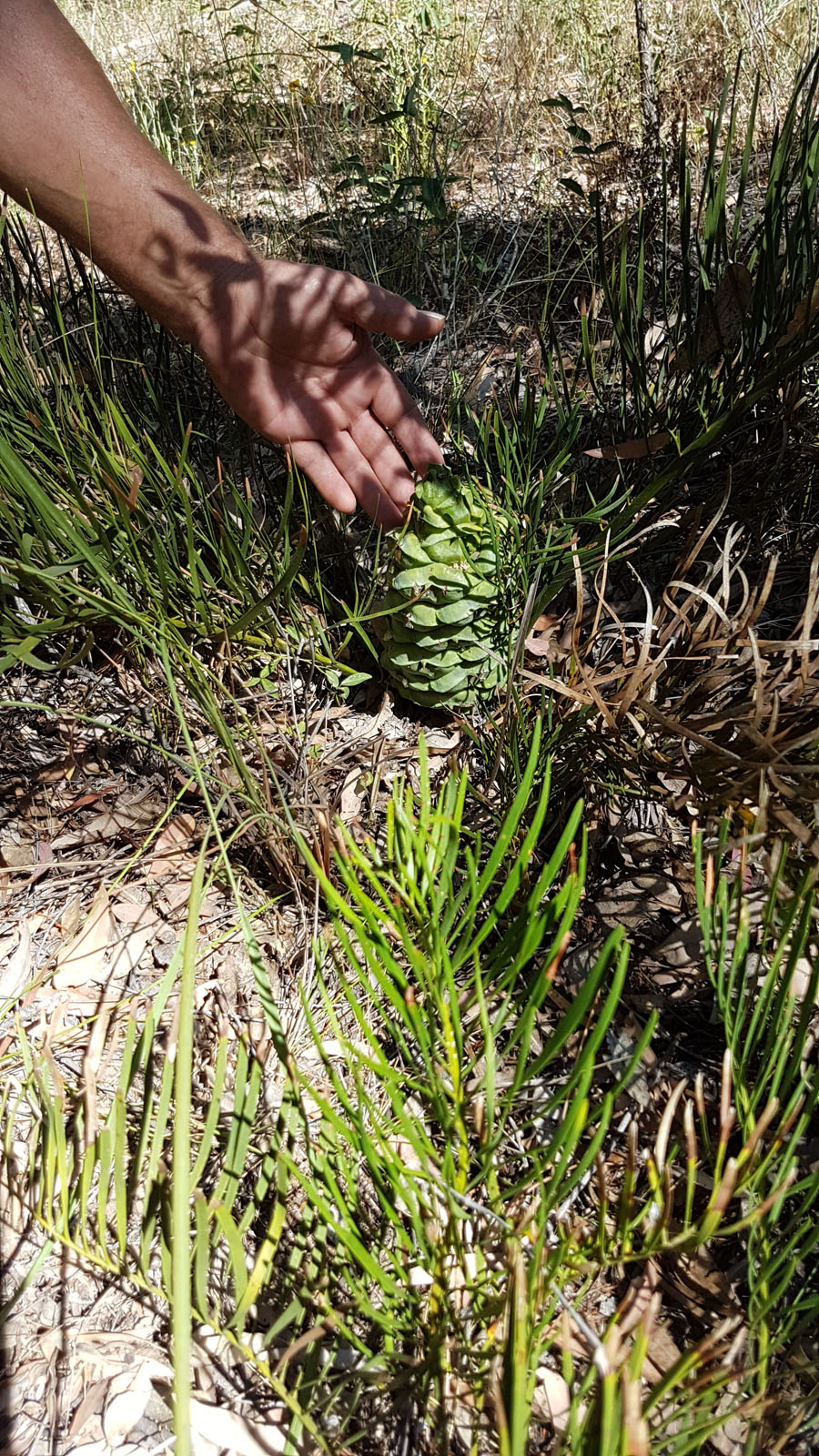
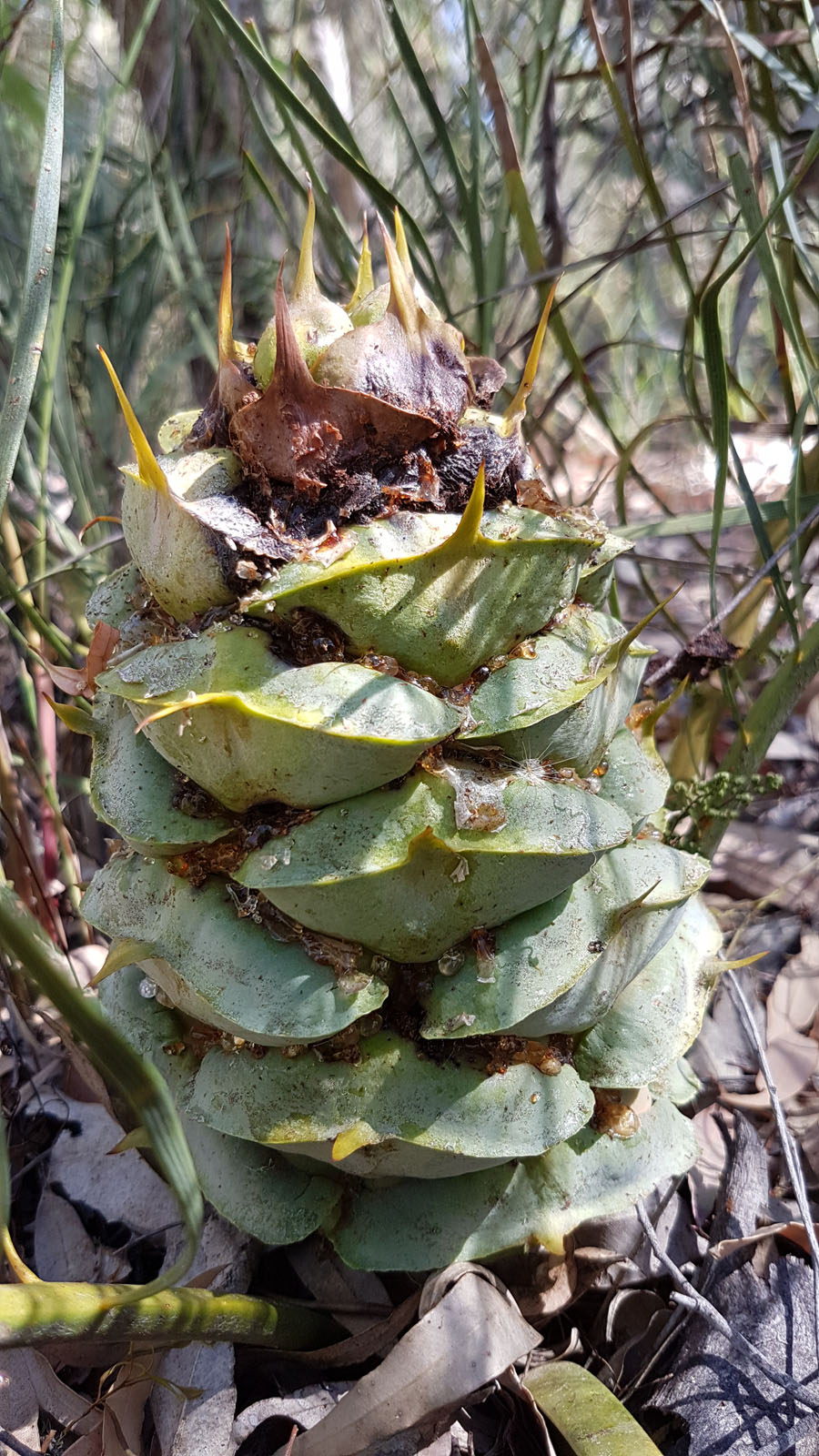
References (6)