Cycad Names | Cycadales > Zamiaceae > Zamia > Zamia cremnophila Vovides, Schutzman & Dehgan

Zamia cremnophila Vovides, Schutzman & Dehgan [WFO] [IPNI] [POWO] [MO]

First published in: Bot. Gaz. 149(3): 351. (1988).

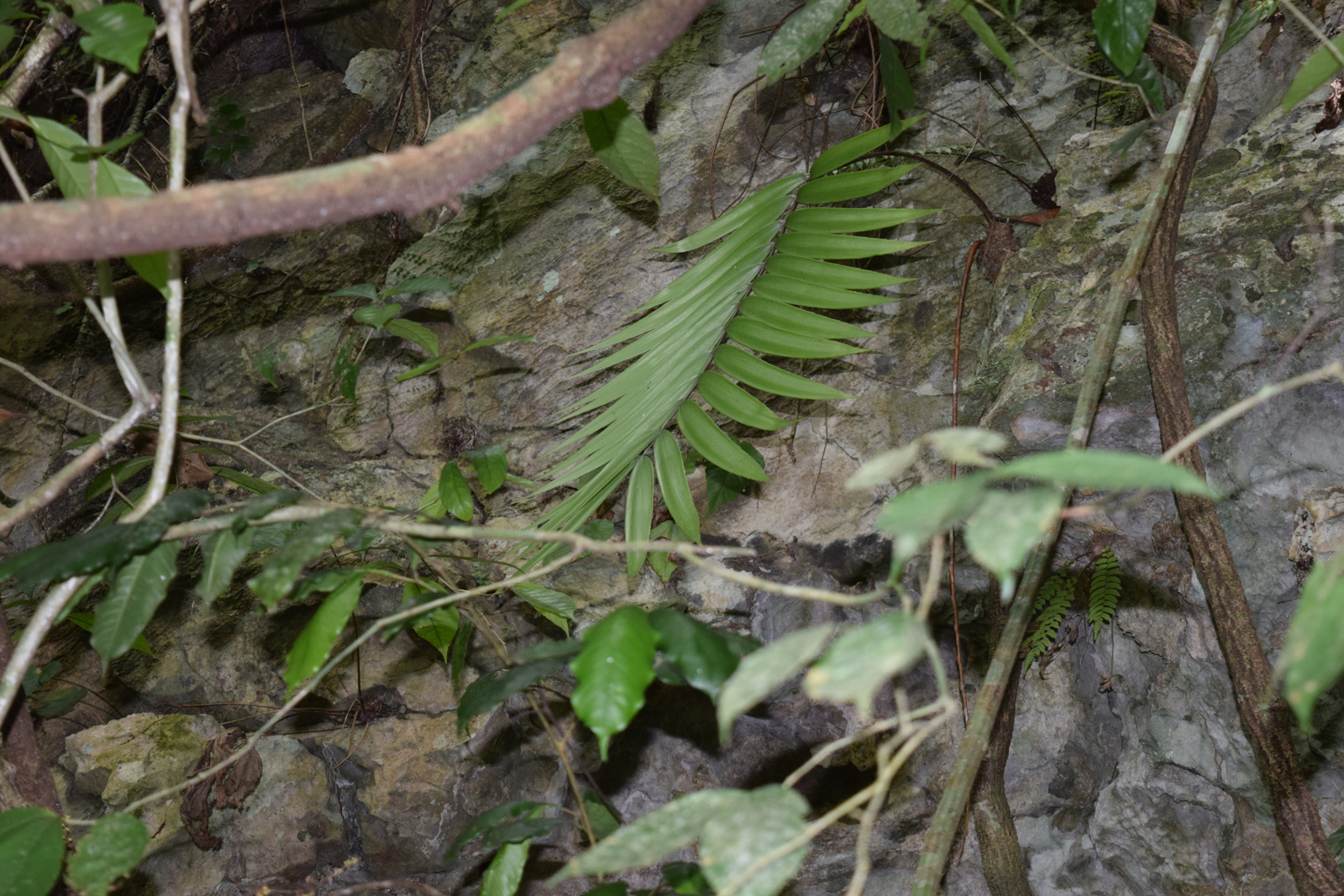
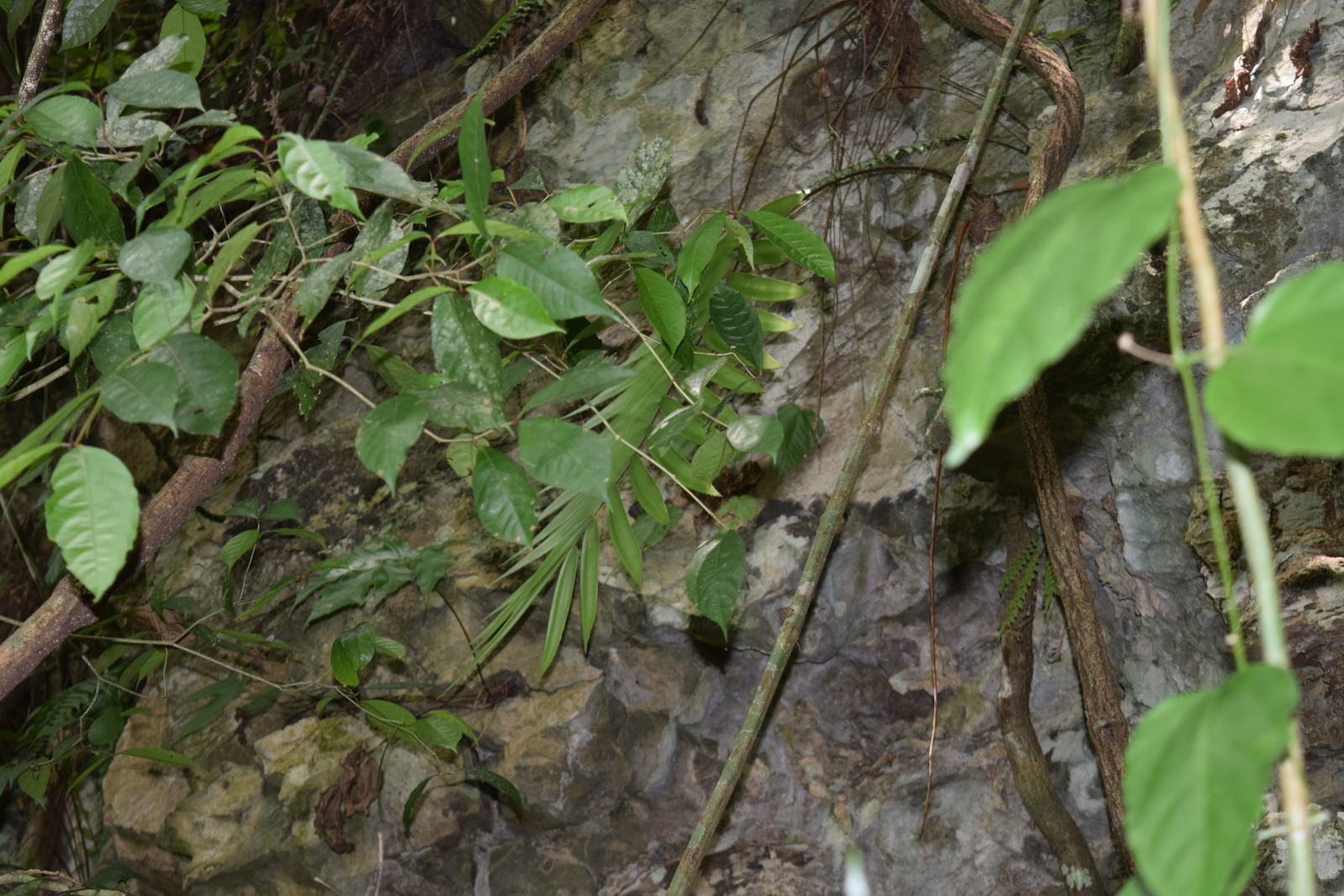
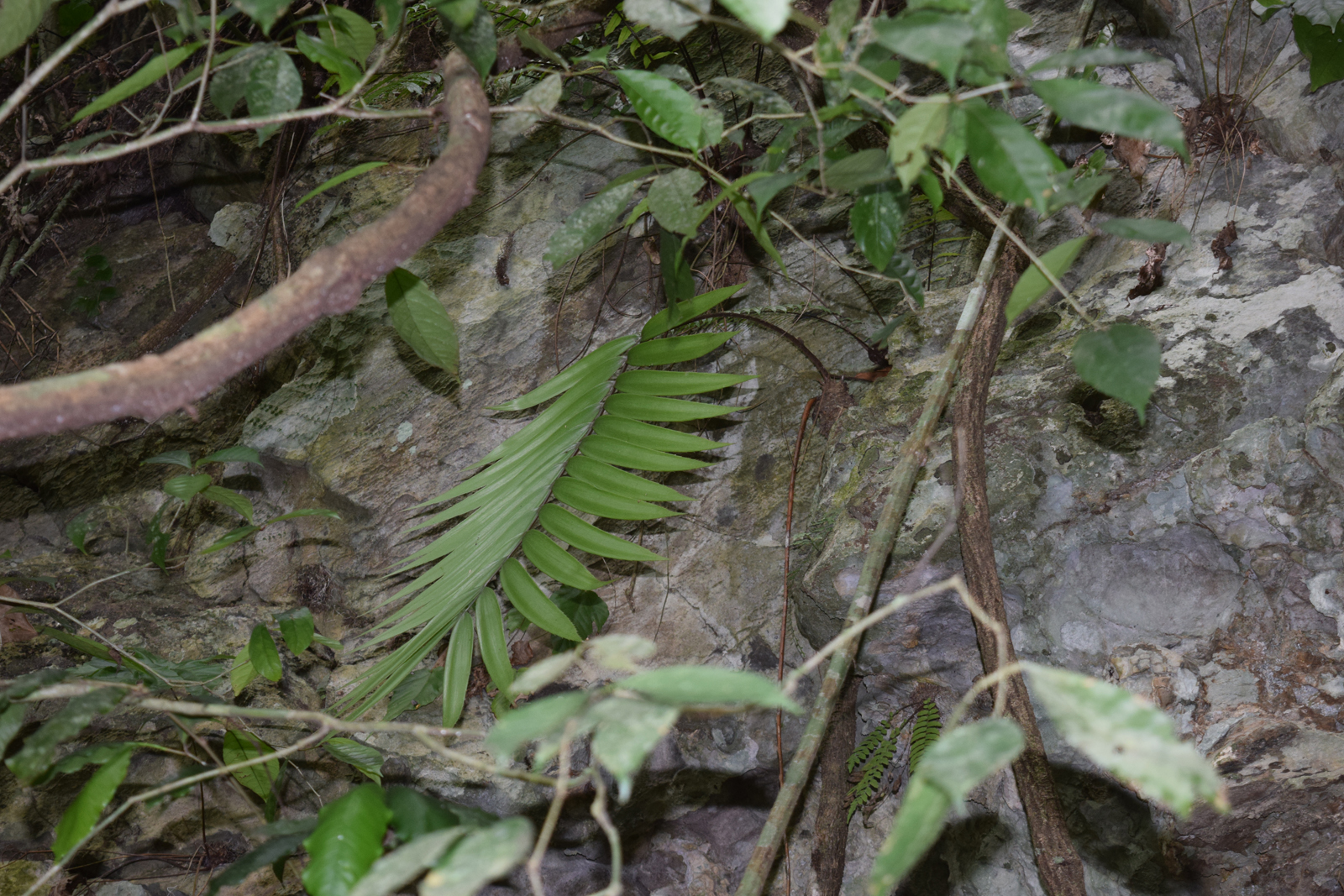
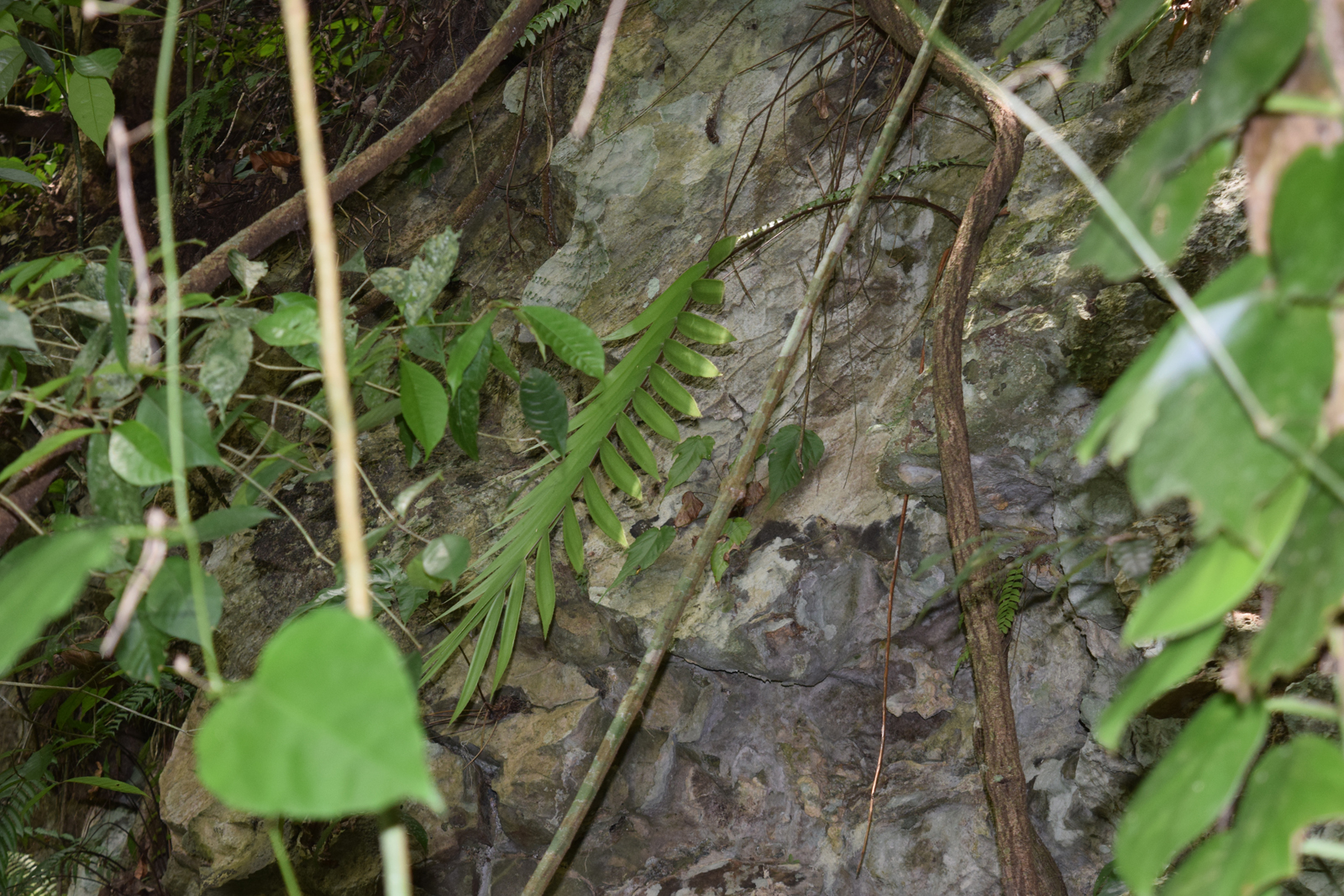
Etymology: From the Greek cremnos (‘cliff’) and -philus (‘loving’), referring to its cliff-dwelling habit and habitat. [source]

Nomenclatural Type Information
Collector and Number: M.A. Magaña & S. Zamudio 343 (holo MEXU, iso XAL)."
Locality: Mexico: Tabasco , 18 Aug 1981
Type Location(s): HT:MEXU; I:CSAT, FCME, MO, UAMIZ, XAL

Distribution: Mexico (Chiapas, Tabasco)

IUCN Red List Conservation Status: Endangered B1ab(v)

Location Privacy Notice: This map is provided to show a rough estimate of the distribution of this species based on georeferenced localities on the WLoC database. The points may not be comprehensive of the species distribution and may contain errors. To protect the precise locations of populations of this highly threatened plant group, coordinates displayed on this map have been denatured to 0.1 degree precision (approximately 11 km accuracy). Map zoom levels are also limited for conservation purposes.

Geographic Distribution

Legend:
Collection Events (21)
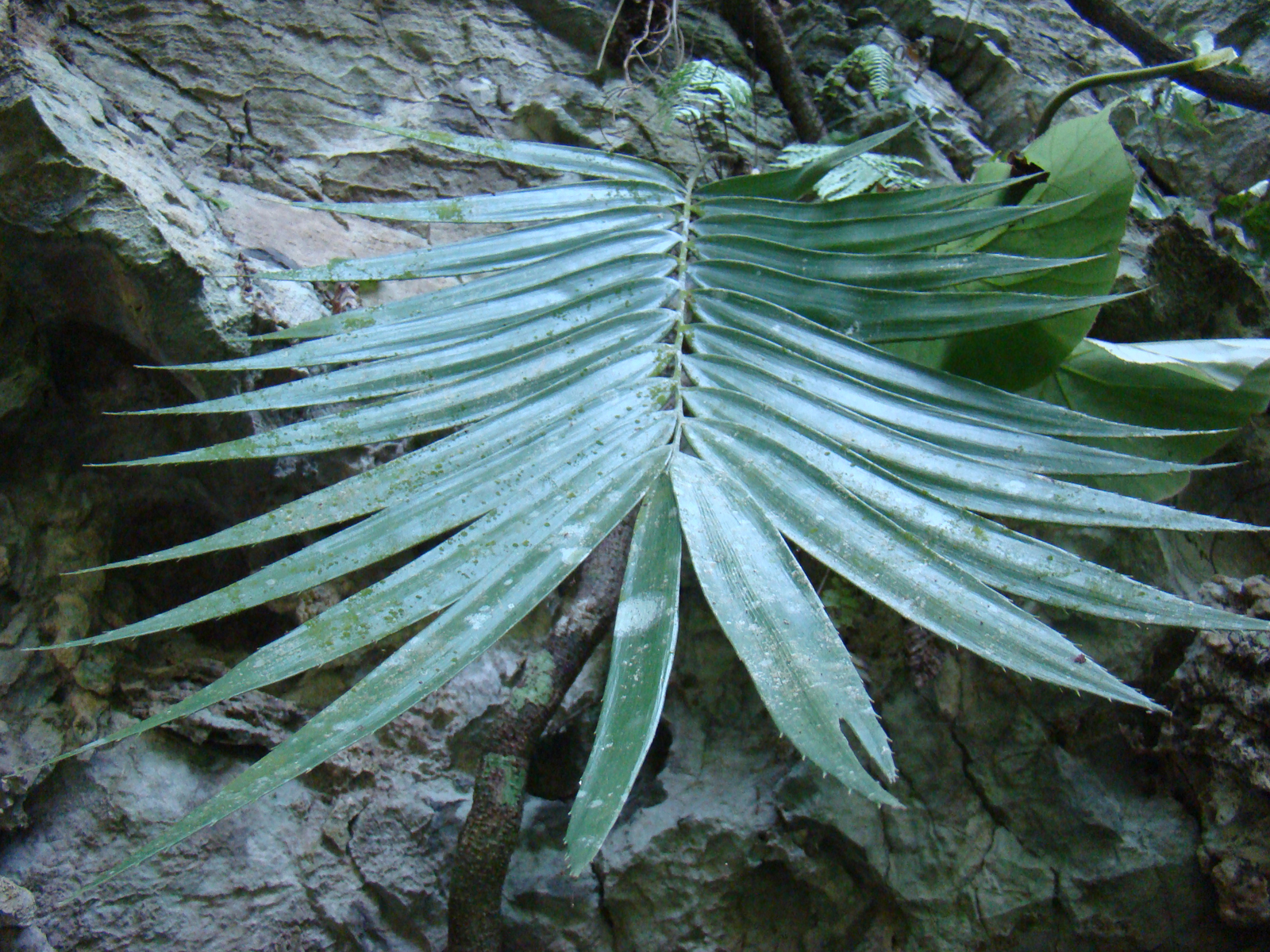
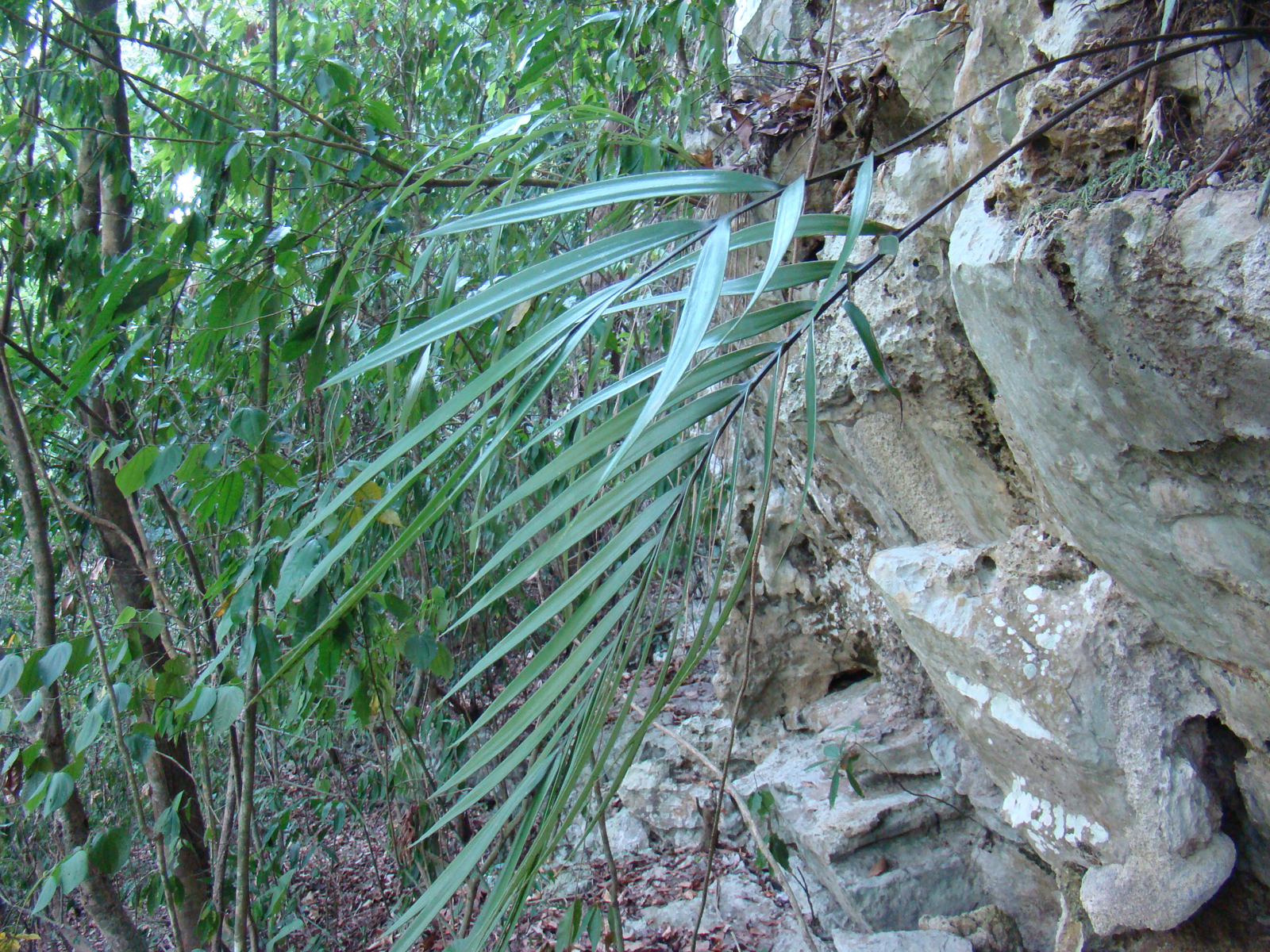
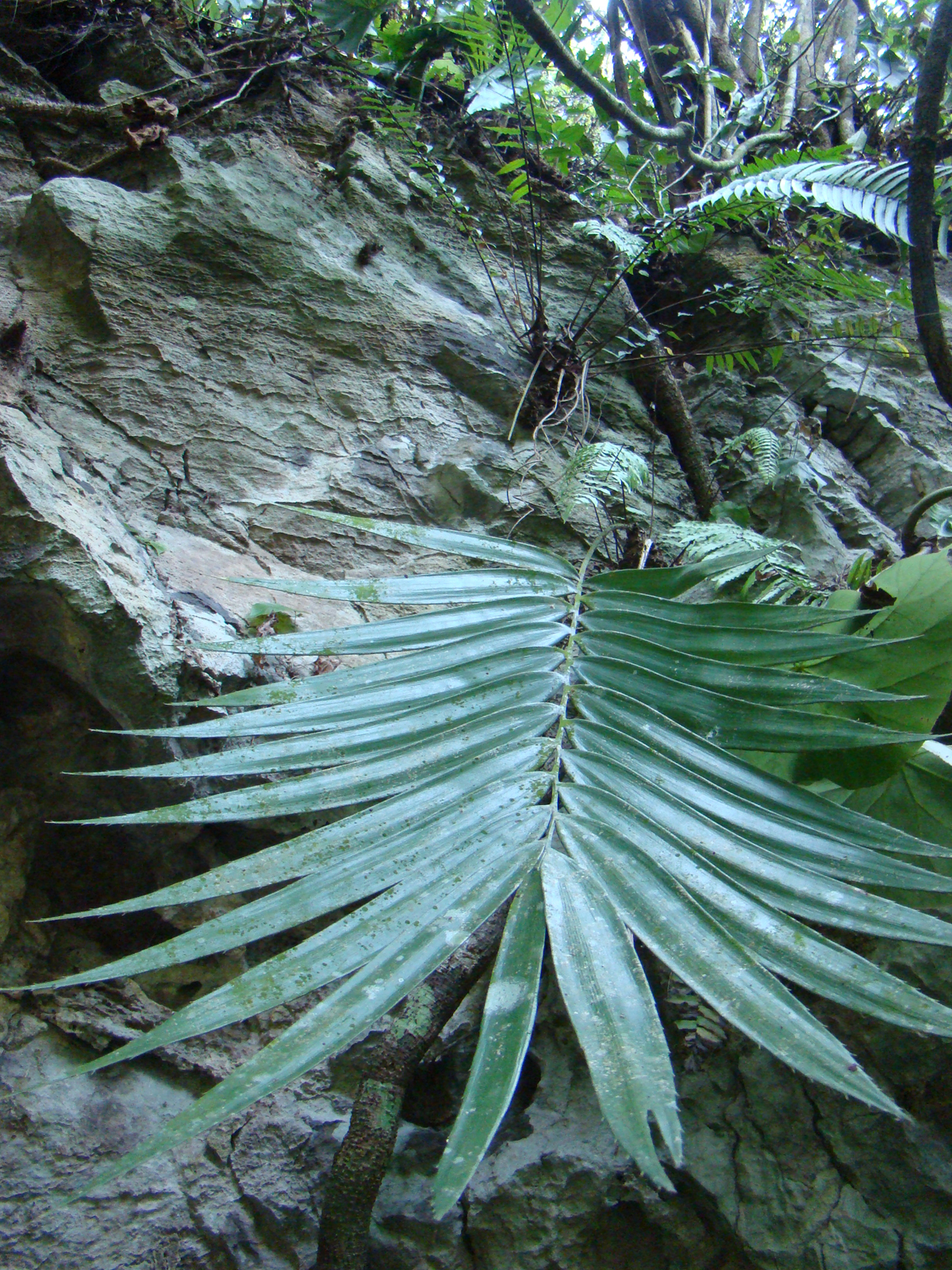
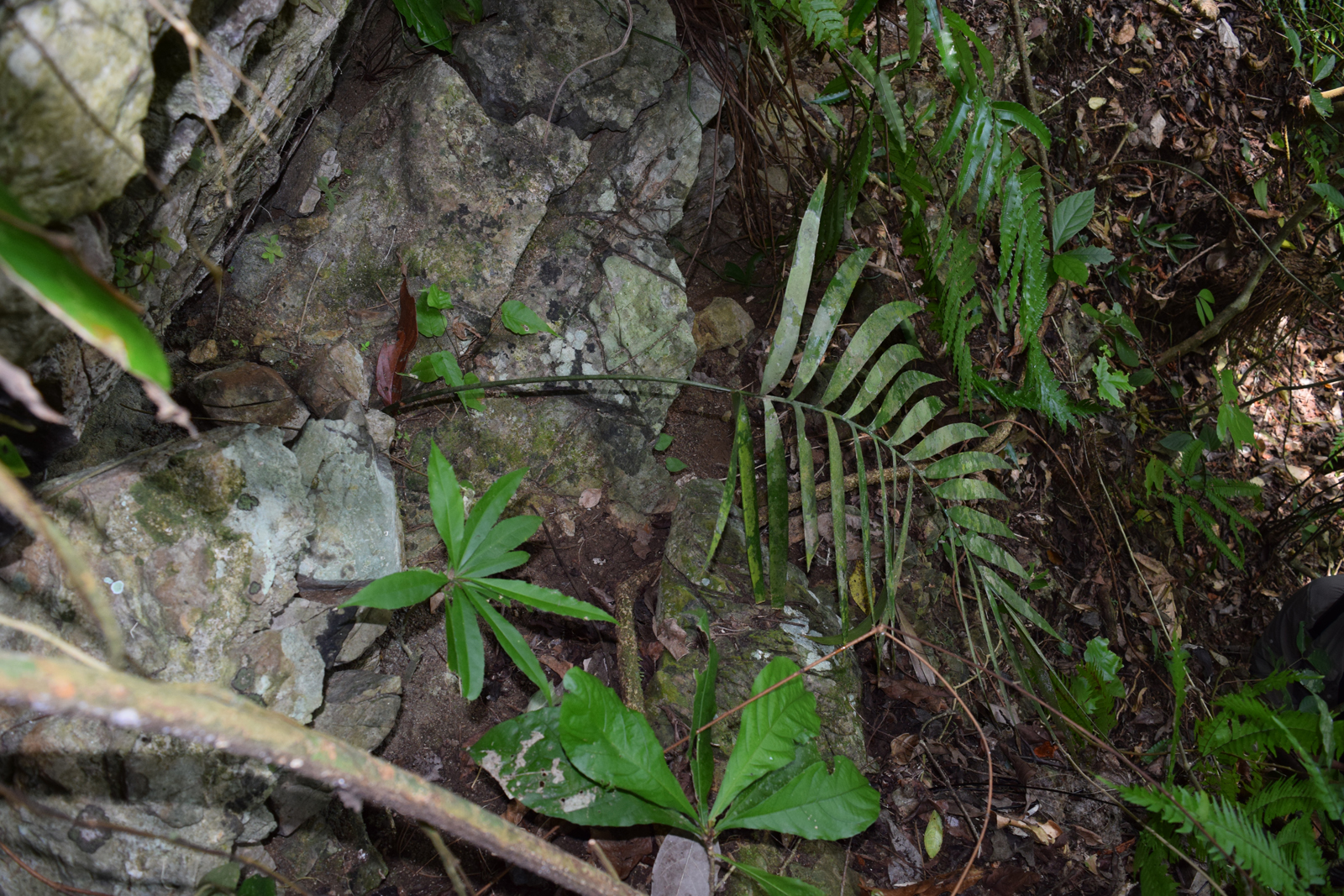
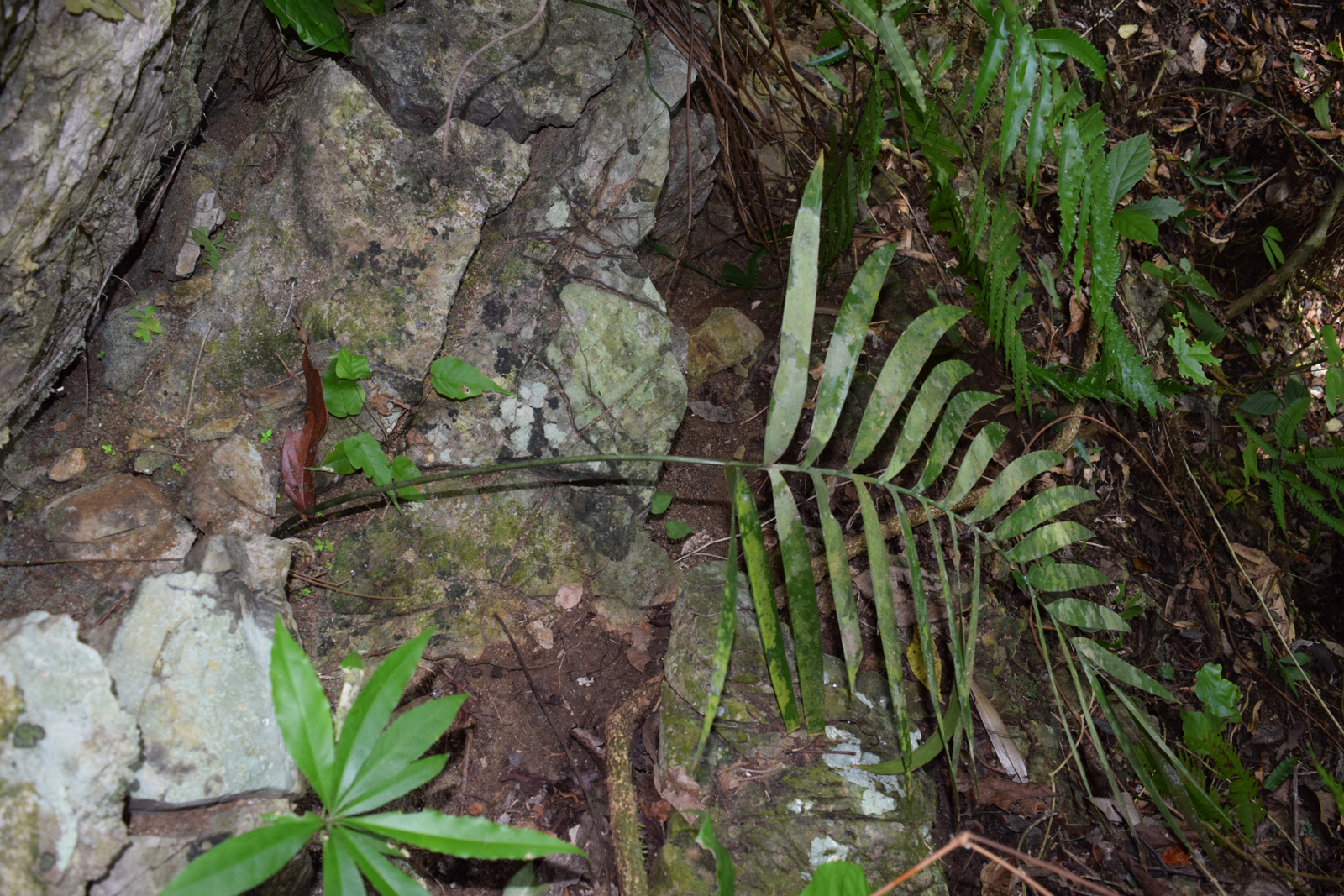
Image Gallery (2 observation records)

Mexico (Tabasco)

Mexico (Tabasco)
References (5)

Sort by:
Bösenberg JD. 2022. Zamia cremnophila. The IUCN Red List of Threatened Species 2022: e.T42132A69836976. WLoC DOI
Red List Assessment
Haynes JL. 2022. Etymological compendium of cycad names. Phytotaxa 550 (1) : 1-31. WLoC DOI
Etymology
Calonje M. 2009. A new cliff-dwelling species of Zamia (Zamiaceae) from Belize. J. Bot. Res. Inst. Texas 3 (1) : 23-39. WLoC URL

Download PDF

Please respect copyright and fair use.

Nicolalde-Morejón F, Vovides AP, Stevenson DW. 2009. Taxonomic revision of Zamia in Mega-Mexico. Brittonia 61 (4) : 301-335. WLoC DOI JSTOR
Schutzman Vovides & Dehgan. 1988. Two new species of Zamia (Zamiaceae, Cycadales) from Southern Mexico. Bot. Gaz. 149 (3) : 347-360. WLoC DOI JSTOR
Protologue Pages: 351
Notes: Protologue description